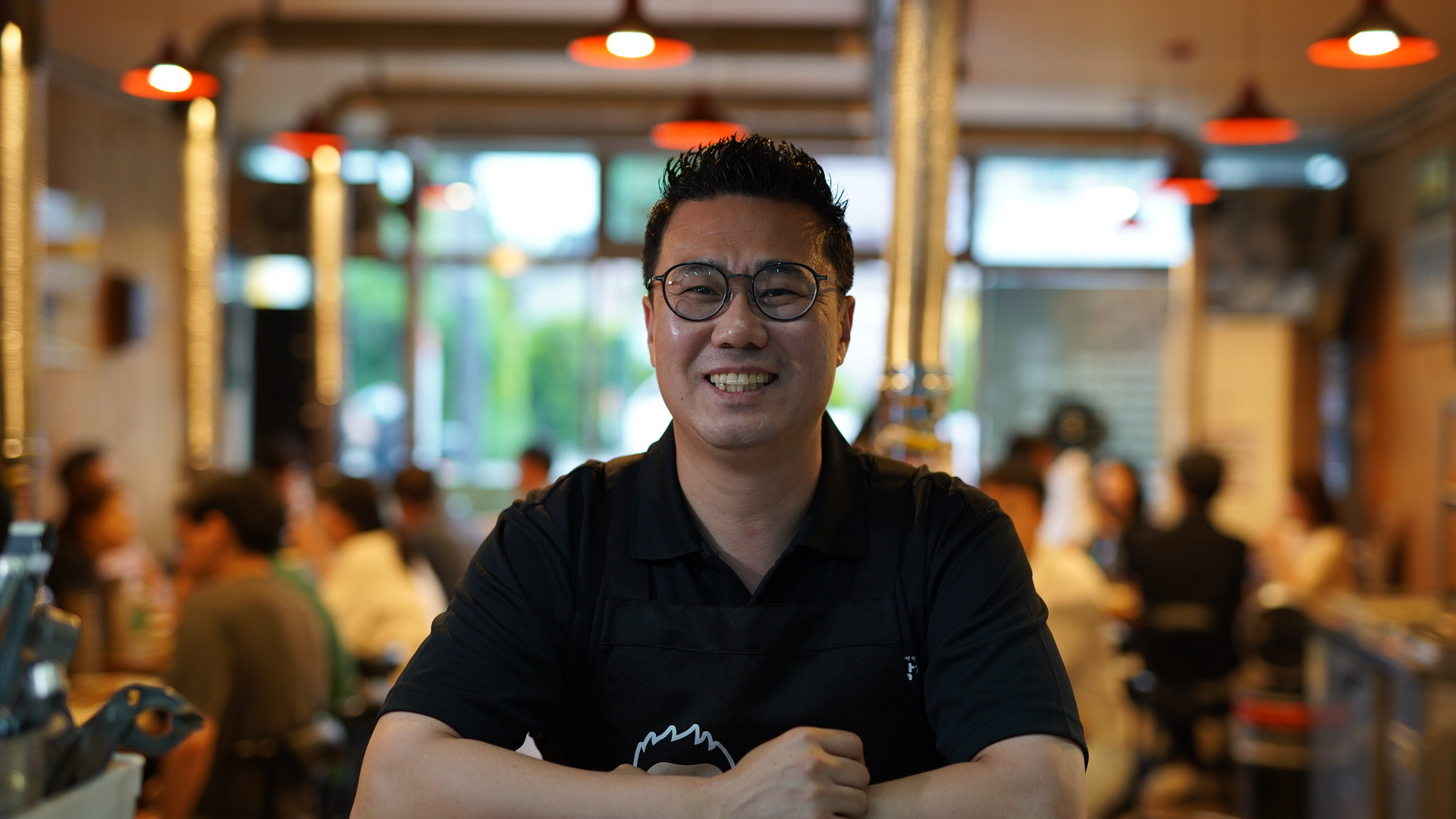
About the Store
Gaeum Makchang (가음막창) is a pork tripe specialty restaurant in Yangsan, Gyeongsangnam-do. The menu spans top-grade pork tripe (makchang, 막창), premium domestic samgyeopsal, and sides like crispy pork rinds. Some guests avoid makchang because of its smell or chewiness, but the team’s two-stage hand cleaning and a fruit-based aging process deliver a soft, balanced bite.
The space welcomes families and work groups alike, with a roomy floor plan and free parking. Owner Goo Ja-ho started out as an ordinary office worker, then learned marketing on his own to grow the store — and now runs training and consulting for other small business owners.
Background
The store opened in a tough neighborhood for foot traffic, and there were plenty of days with only one or two tables. The team tried everything — flyers, social media, discount events — but revenue wouldn’t budge.
The hardest part was that we couldn’t tell why customers were coming or why they weren’t.
What mattered wasn’t just “how many tables came in today” but who those guests were and why they came back. That question led to a search for a customer management approach, and eventually to DodoPoint.
How They Use DodoPoint
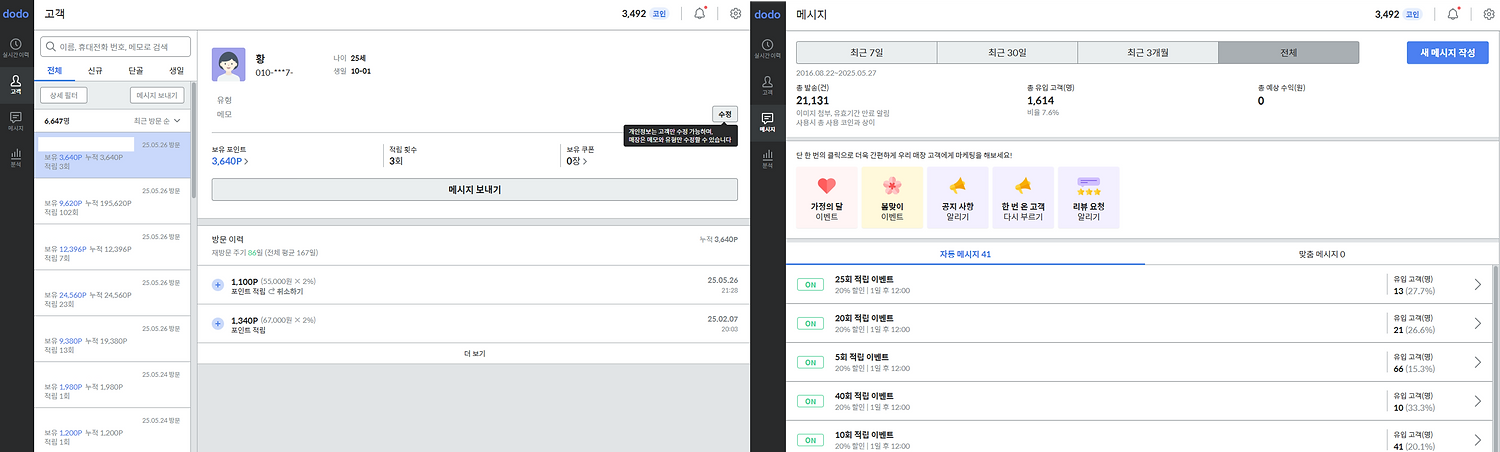
- 6,000+ enrolled customers, including 5+ who have visited over 100 times
- Operations driven by analysis of visit frequency and timing
- 20% off on the fifth visit — a natural nudge toward repeat visits
- Context-aware SMS marketing — coupon messages around holidays and on rainy days
Results
- Over 6,000 enrolled customers
- 5+ regulars with 100+ visits
- Marketing study and store growth experience led to launching “Small Business Owners’ School” (자영업자학교)
- A TV appearance gave revenue another lift
From the Owner
The product matters, but marketing isn’t optional anymore — it’s essential. If building a regular customer base is your concern, bring in a customer management system like DodoPoint.
Full Interview
Gaeum Makchang — the taste behind a steady following, and the digital shift that powers it
We sat down with Goo Ja-ho, founder of Gaeum Makchang, who has gone beyond running a restaurant to take on marketing and consulting, reshaping how small business owners think about their craft. Here’s his founding story and how he runs the store.
Q. Hello. Thank you for the time today. Could you introduce Gaeum Makchang?
Gaeum Makchang is a pork tripe specialty restaurant in Yangsan, Gyeongsangnam-do. We serve top-grade pork tripe, premium domestic samgyeopsal, and sides like crispy pork rinds, and we’ve earned a real following.
Some guests avoid makchang because of its smell or chewiness. We solve that with two stages of hand cleaning followed by a fruit-based aging process, which removes the smell and gives the meat a soft texture.
We’ve built a roomy floor plan, a comfortable atmosphere, and free parking so families and work groups can both feel at home. We also offer coupon rewards for visiting guests — we want to keep the cost down and the fun up.
Q. How did you come to start Gaeum Makchang, and what was hard about it?
I used to be a regular office worker. I had stable income and a steady routine, but at some point I started asking, “How long can I keep this stable life going on this paycheck?” and “Is this really the life I want?”
Watching my kids grow up made me want a life I could shape myself, and around that time I got interested in the restaurant business. Once we opened, reality hit. The location wasn’t a great area for foot traffic, and we had days with only one or two tables.
I tried everything to get the word out — switched to better charcoal, even roasted sweet potatoes out front. Flyers, social media, discount events — anything I could try. Revenue still wouldn’t move.
The hardest part was not knowing why customers came or why they didn’t. Not just “how many tables came in today” — I wanted to know who those guests were and why they came back. That’s where I started thinking seriously about customer management, and it eventually led me to solutions like DodoPoint.
Q. Is there a moment that has stayed with you?
There’s one that still hurts to think about. My kids slept many nights in the small room at the back of the store. Business was bad enough that going home early wasn’t an option, and watching my kids do their homework and fall asleep in that tiny space was hard as a parent.
Another time, while I was grilling sweet potatoes out front to bring customers in, a part-time student got burned by accident. That hit me hard — I felt like I was doing something wrong.
After that, I dove into marketing like crazy. I read every book, watched every lecture and YouTube video I could find, and applied what I learned in the store one piece at a time. I took on Naver Smartplace, blogging, and short-form video myself. Slowly, more customers came in, and I really felt that marketing is the lever.
Q. We hear that marketing lifted revenue, and that DodoPoint played a big part. How did it help?
For small business owners, building regulars is everything. Stable revenue only comes when your regulars grow, and DodoPoint is what made that possible for us.
Today, we have over 6,000 enrolled customers on DodoPoint. Five of them have visited over 100 times.
What I really like is being able to analyze customer behavior using visit frequency and timing. We use 20% off on the fifth visit as a natural nudge toward repeat visits, and we use SMS marketing context by context. Send a coupon message before or after a holiday, or on a rainy day, and the impact on revenue is immediately visible.
When I consult other stores now, DodoPoint is always on my list. Compared to alternatives, the support team is friendly, the price is reasonable, and the features are intuitive — it’s a high-satisfaction service for owners.
Q. You also run education and consulting for small business owners now. What sparked that?
While running my store, the thing I struggled with most was knowing marketing mattered but having no idea how to actually do it. Outsourcing to agencies was expensive and ineffective, and honestly, a lot of them were close to scams.
The truth is, Naver Smartplace and social short-form alone can drive real awareness today. It broke my heart to see so many owners spending money inefficiently because nobody had told them that.
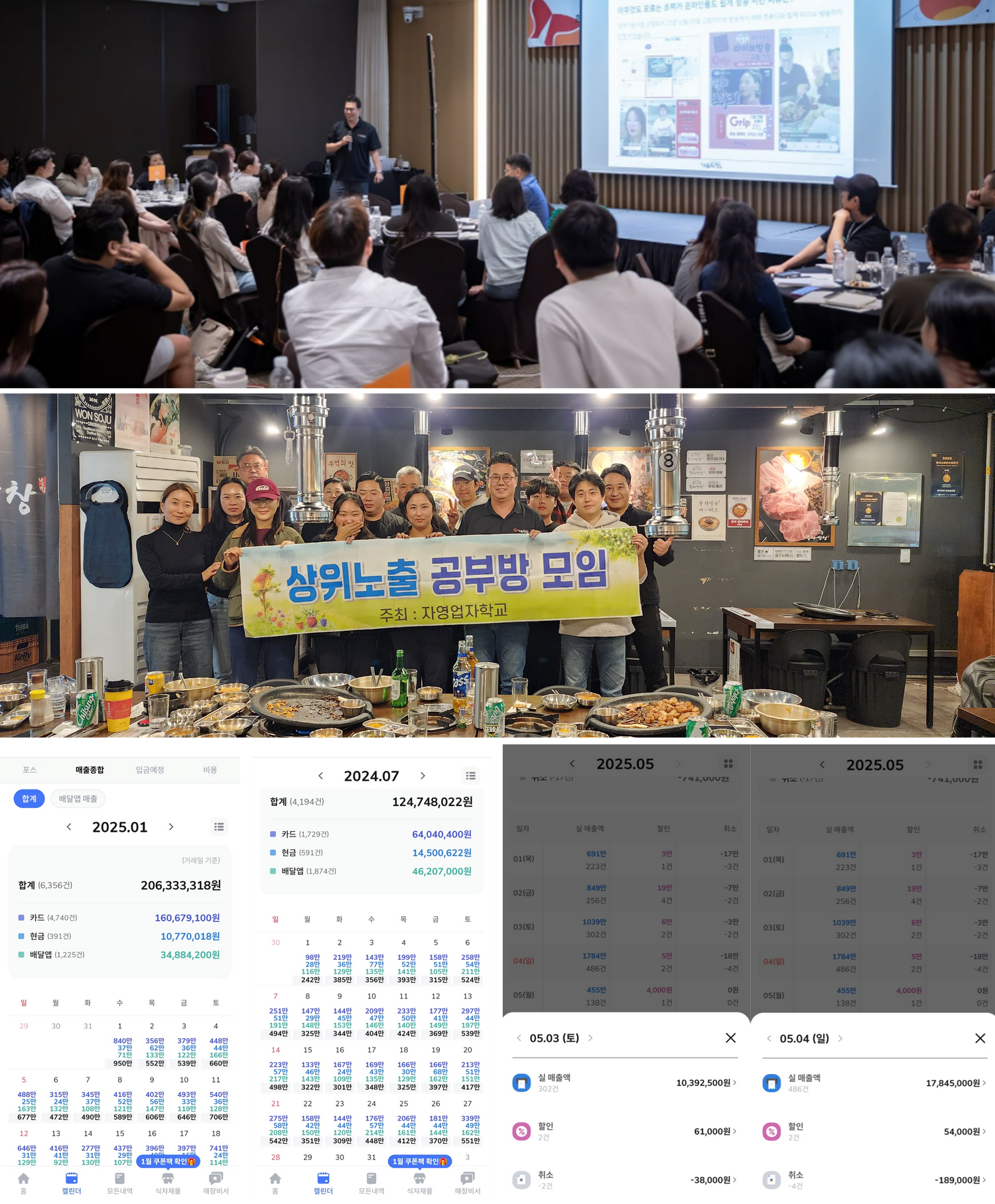
So I built a program that lets small business owners learn marketing themselves, drawing on the trial and error I went through. That’s “Small Business Owners’ School”. (Small Business Owners’ School)
My ultimate goal is to help small business owners understand marketing themselves, run their stores with data, and grow on their own terms. Reducing other people’s failures and building a community where we grow together — that’s why I run the school, and it’s where I get the most meaning.
Q. We heard a TV appearance helped boost visibility too.
Honestly, before the TV appearance, what really helped was government support for small business owners. When early-stage marketing costs were heavy, that support helped us start practical work like Smartplace registration, banner design, and online advertising — and customer response started shifting.
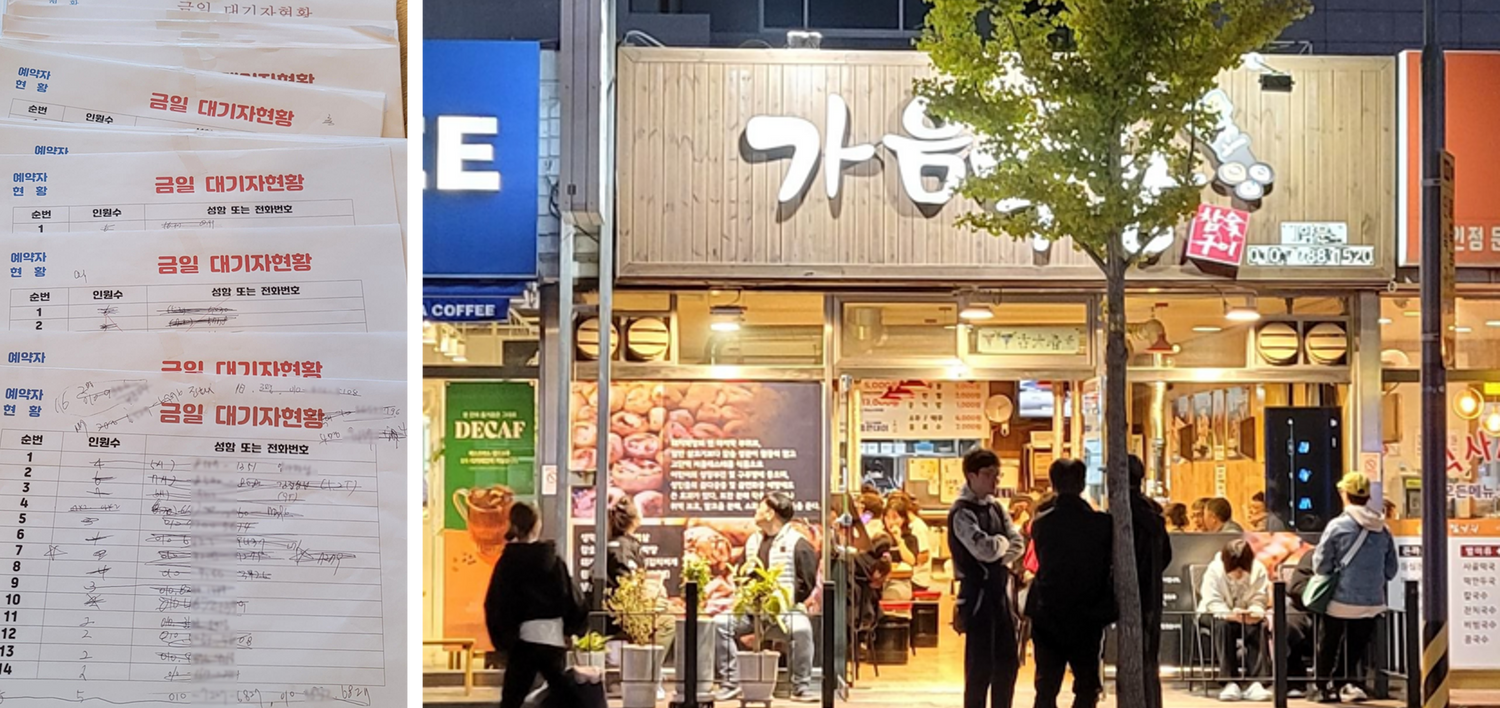
As customers grew, word spread naturally, and that eventually led to a TV invitation. I didn’t want to take it lightly, so I prepared 10 pages of A4 material myself, covering everything from store concept to operating philosophy. That gave the team good content to work with. Visits jumped noticeably after the show, revenue took another step up, and attention on the store grew.
Q. Anything you’d like to say to fellow small business owners?
The product matters, but marketing isn’t optional anymore — it’s essential. Don’t worry, though. Anyone can learn marketing. It was hard for me at first too.
If you don’t know where to start, come by the Small Business Owners’ School open chat and learn with us. And if growing your regular base is the concern, bring in a customer management system like DodoPoint. You might see the kind of change I did.
To everyone fighting through it right now as a small business owner — I’m cheering for you. You’ve got this.